Math, Mindset, and the Art of the Kill
Most people treat poker like a game of luck. The professionals treat it like a business of probability. If you are sitting at a table hoping the cards fall your way, you are the product, not the player.
To win consistently, you don’t need luck; you need an edge. An edge is the mathematical and psychological gap between how you play and how your opponents play. When that gap is wide enough, the variance disappears over the long run.
GTO vs. Exploitative: The Balance of Power
Game Theory Optimal (GTO) is your armor. It is a mathematically balanced strategy that ensures you cannot be exploited by any other strategy. It is the baseline. But you don’t make a living by being unexploitable; you make a living by exploiting. Exploitative play is the surgical strike—identifying a leak in an opponent’s game and hammering it until they tilt or fold. The elite shift seamlessly: GTO to defend, Exploitative to kill.
Bankroll and the Variance Buffer
The biggest mistake amateurs make is treating their bankroll like a wallet. Professionals treat it like a hedge fund. To survive the swings, you need a buffer. For cash games, 50-100 buy-ins is the professional standard; for tournaments, 100+ is mandatory. If you can’t afford to lose ten buy-ins in a row without changing your lifestyle, you aren’t playing professional poker—you’re gambling with your rent money.
The Mental Game: Kill the Tilt
Tilt is the professional’s only real enemy. It is the emotional hijack that turns a shark into a fish in seconds. Regulation isn’t about “staying positive”; it’s about cognitive reframing. Every bad beat is just a data point. The moment you let a loss dictate your next move, you’ve handed your edge to the table. Strict stop-losses and a growth mindset are the only ways to keep the machine running cold.
LuckyPik Edge
The real edge comes from profiling. Look for the markers: the early-position limper, the erratic 3-better, the player who folds too often to continuation bets. Once you categorize the player—Fish, Maniac, or Shark—the math simplifies. You stop playing the cards and start playing the person. That is where the real money is made.
The Vincent Vibe Takeaway
Poker is a game of incomplete information. The winner isn’t the one with the best cards, but the one who manages the information and their emotions better than the other guy. Stop chasing the jackpot and start chasing the edge.
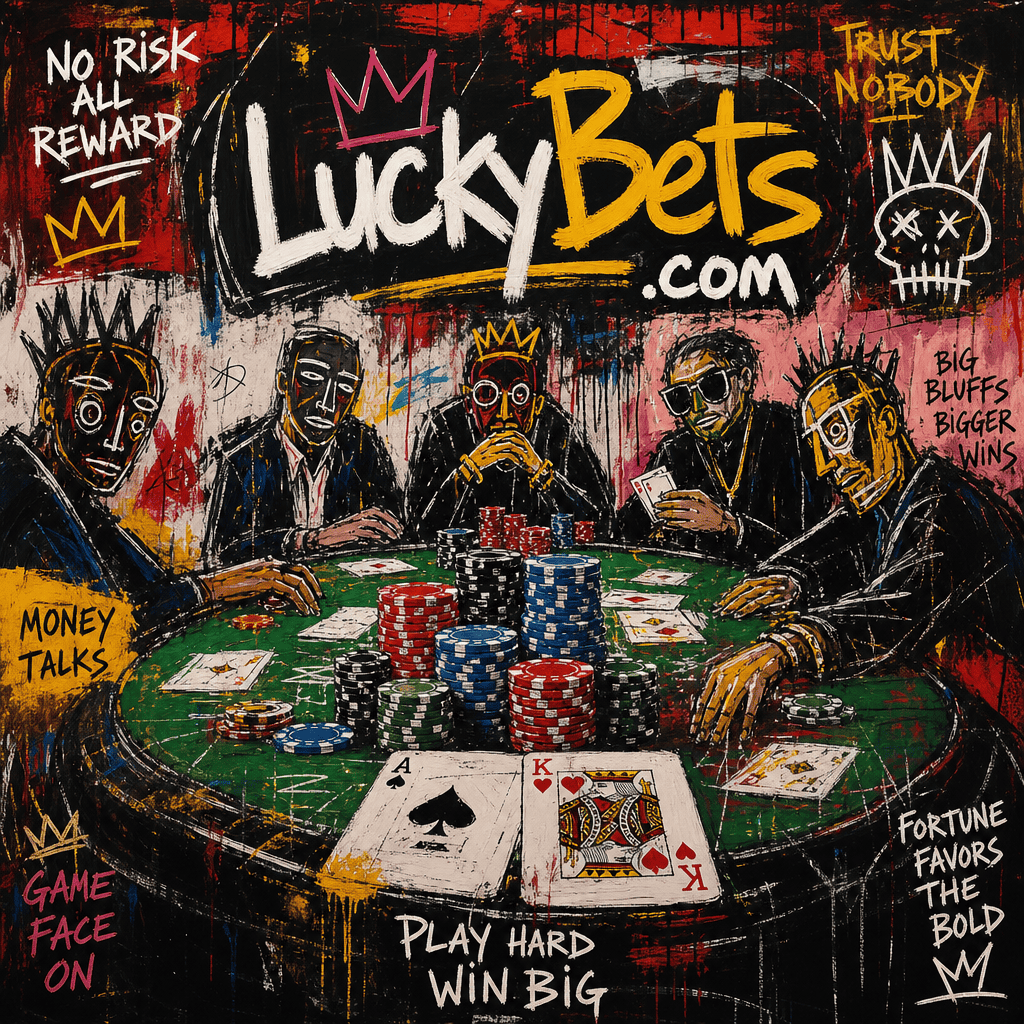
In poker, the cards are just the excuse. The real game is played between the ears.
LuckyBets.com