
Navigating high-volatility betting and the pursuit of momentum in the casino’s most intense arena.
The Foundation of the Roll: Mechanics and the Bar 12 Rule
To master the craps table, one must first respect the fundamental mechanics that govern the flow of the game. The core of any strategy begins with the Pass Line and Don’t Pass bets, the two pillars of the game. While the Pass Line is the standard approach for those chasing momentum, the Don’t Pass offers a defensive posture against the shooter. However, players must remain vigilant regarding the ‘bar 12’ rule, a specific house advantage that can turn a winning streak into a sudden loss. Understanding these baseline mechanics is not merely about knowing how to place chips; it is about recognizing the structural constraints the house imposes. Success in craps requires a deep comprehension of how these initial rolls dictate the entire trajectory of the table’s energy and the subsequent betting opportunities that arise.
Reducing the House Edge Through True Odds and Strategic Discipline
The true secret to longevity at the craps table lies in the utilization of True Odds. While the Pass Line and Don’t Pass bets carry a built-in house advantage, placing bets behind them at True Odds allows a player to effectively reduce the overall house edge. This is the only moment in the casino where the player can find a mathematical advantage by betting on the outcome of the point. However, this power comes with significant responsibility. To leverage True Odds effectively, a player must possess the discipline to manage high-stakes volatility. It is not about chasing every roll, but about identifying the precise moments where the math shifts in your favor. Mastering this intersection of house edge and player momentum is what separates the casual gambler from the seasoned strategist who can withstand the table’s inherent chaos.
The Danger Zone: Proposition Bets and the Illusion of Easy Wins
The center of the craps layout is a psychological minefield designed to drain bankrolls through high-volatility Proposition bets. These bets, while offering massive payouts, carry a staggering house edge ranging from 9% to as high as 16.67%. The visual allure of the center bets can distract players from the more sustainable edge bets located on the periphery. Furthermore, variations like ‘Crapless Craps’ can create a false sense of security, often leading to rapid bankroll erosion because the fundamental difficulty of the game has been masked. A disciplined player views the center of the table as a zone for controlled risk rather than a primary strategy. Navigating the psychological impact of the table layout requires recognizing that the most tempting bets are often the most mathematically destructive to your long-term survival.
The Vincent Vibe Takeaway
Use the Pass Line to establish a baseline, leverage True Odds to fight the house edge, and treat center-table Proposition bets as high-risk outliers rather than core strategy.
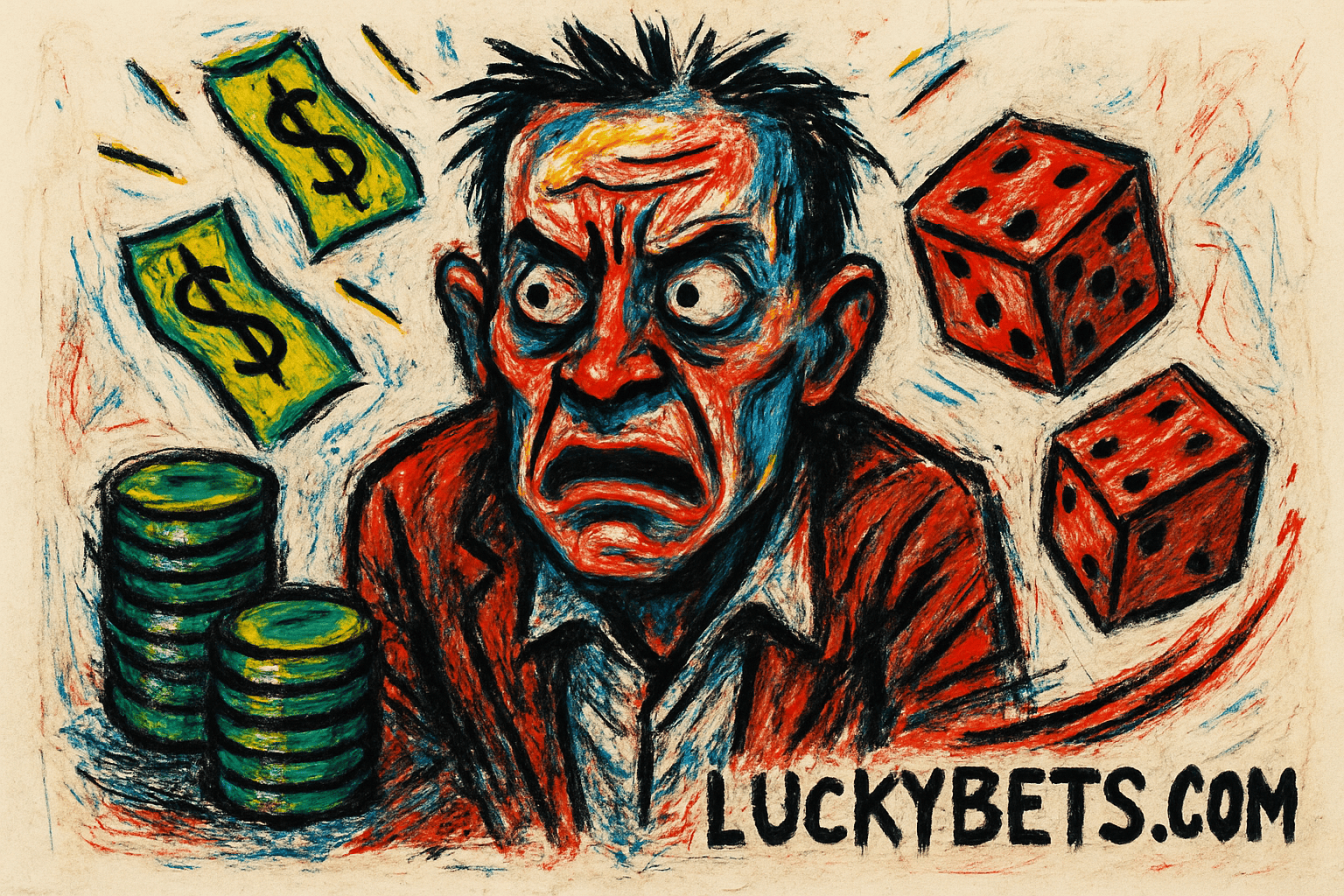
“In the chaos of the craps table, momentum is a tool, but discipline is your shield.”
LuckyBets.com