How Feng Shui, Numbers, Direction, and Layout Influence Real Estate Energy and Value
Buying a house is rarely just math.
People think they buy square footage, location, or interest rates.
But there is something deeper that quietly influences decisions.
Energy.
Across cultures, buyers respond to signals they cannot always explain:
- Certain addresses feel more desirable
- Some homes feel welcoming the moment you walk in
- Others feel off even when everything looks perfect on paper
For thousands of years, Feng Shui has tried to explain why.
And whether people consciously believe in it or not, the market often reflects these preferences in real life.
The Power of Numbers
Why Some Addresses Sell Faster
In many Asian cultures, numbers carry symbolic meaning.
The most famous example:
Number 8
Often associated with prosperity, wealth, and forward movement because of how it sounds linguistically and how it visually represents continuity.
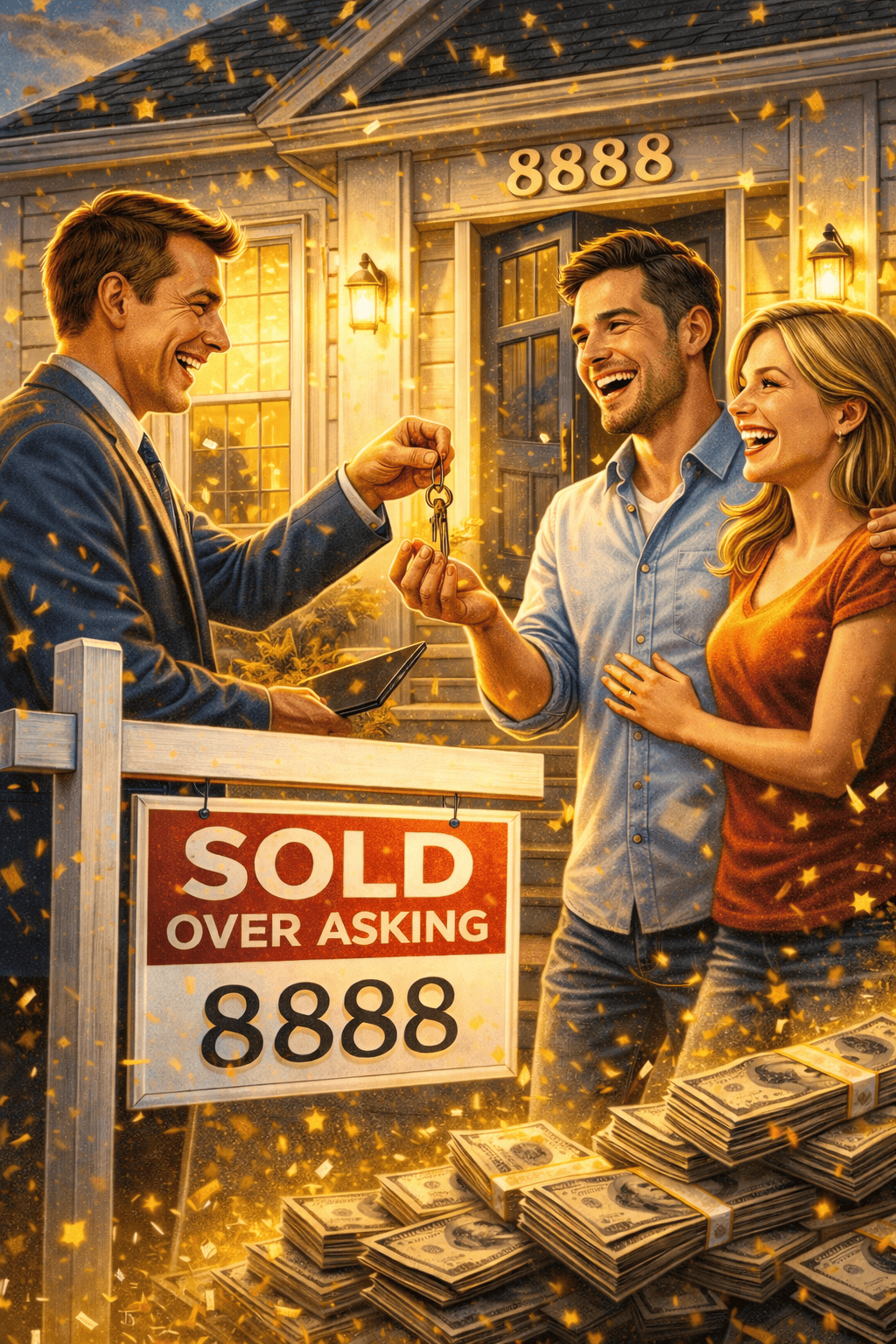
Homes with multiple eights in the address are often considered more attractive to buyers who value Feng Shui principles. In some markets with strong Asian influence, properties containing the number eight have sold at premiums compared to similar nearby homes.
On the opposite side:
Number 4
In several East Asian languages, the pronunciation resembles the word for death. Because of this association, some buyers avoid addresses containing the number four.
This is not theory.
Developers in certain cities have historically skipped fourth floors or adjusted unit numbering to align with buyer preferences.
The lesson for sellers is simple.
Sometimes the value of a home is influenced by cultural symbolism just as much as design.
Direction Matters
North, South, East, West
One of the oldest Feng Shui ideas is that the direction a home faces influences how energy moves through the space.
Traditional compass based Feng Shui divides orientation into directional zones:
- South facing homes are often associated with visibility and recognition
- East facing homes are tied to growth and new beginnings
- North facing homes connect to flow and career energy
- West facing homes are linked to completion and stability
Whether someone uses a compass or simply reacts emotionally, people often describe homes facing certain directions as feeling brighter, calmer, or more active.
Real estate professionals know that orientation impacts sunlight and emotional perception. Feng Shui simply adds a symbolic layer that many buyers resonate with.
The Front Door
The Mouth Of Opportunity
In Feng Shui language, the front door is where energy enters.
This is why entry design matters so much psychologically and energetically.
A few classic principles:
- The door should open fully without hitting clutter
- Lighting should feel welcoming
- The entrance should feel clear and intentional
One layout repeatedly flagged by Feng Shui practitioners:
When the front door lines up directly with the back door.
The idea is simple.
Energy enters and exits too quickly, symbolizing opportunities passing through without staying.
Many homeowners who follow Feng Shui will add rugs, artwork, plants, or screens to slow the flow and create a sense of grounding.
The Staircase Question
Why Buyers React Instinctively
A staircase facing directly toward the front door is one of the most talked about layout issues.
The belief is that energy rushes up or down too quickly and cannot settle inside the home.
Whether someone believes in Feng Shui or not, there is an emotional reality:
When you open a door and see stairs immediately, the space can feel rushed or unstable.
Designers often soften this with:
- Artwork
- Rounded rugs
- Plants
- Lighting that slows the eye
Even subtle adjustments change how a space feels.
And feeling influences value.
Furniture Layout
Why Some Rooms Feel Safe And Others Do Not
One core idea that crosses both psychology and Feng Shui is support.
Examples:
- Sofas placed against a solid wall feel more secure
- Beds positioned with a view of the door but not directly aligned create calm
- Furniture blocking pathways creates subconscious stress
Buyers rarely say this out loud.
They just say:
This home feels right.
That emotional reaction can decide whether an offer is made.
Homes On Hills
Elevation And Perception
Properties sitting slightly higher than surrounding lots often feel more commanding and protected.
From a Feng Shui perspective, elevation symbolizes support and strength.
From a real estate perspective, elevation means views, airflow, and perceived status.
Again, symbolic and practical value overlap.
Real World Examples Of Feng Shui Influence
In cities with strong Asian buyer communities, homes with fortunate numbers have historically sold for noticeable premiums compared to comparable properties nearby.
Developers in major metropolitan areas have adjusted floor numbering and unit layouts to accommodate cultural preferences tied to numerical symbolism.
Luxury buyers have also been known to consult Feng Shui experts before purchasing or renovating high value properties.
This is not a niche trend.
It is a recognition that psychology influences markets.
And real estate is one of the most emotional markets in the world.
What Buyers Should Think About
If you are buying:
- Notice how the home feels when you enter
- Pay attention to light and directional flow
- Ask yourself if the layout makes you breathe easier or tense up
- Look at the front door alignment and first visual impression
Sometimes intuition is responding to design harmony.
What Sellers Should Think About
If you are selling:
- Clean and clear the entryway
- Create a pause between front and back spaces
- Use furniture placement to create stability
- Highlight natural light and flow
These are small changes that can create large emotional impact.
And buyers often pay more when a home feels aligned.
The Vincent Vibe Takeaway
Real estate is not just location and numbers.
It is perception.
Energy.
Emotion.
Feng Shui works not because it is magic, but because it aligns design with human psychology.
People want homes that feel safe, supported, and prosperous.
The lucky home is rarely lucky by accident.
It is a space where energy, design, and intention move in the same direction.
Some homes do not just attract buyers.
LuckyBets.com
They attract alignment.